Trekking in Nepal: What It Is, How It Works, and How to Do It the Right Way
By Hiking Friends Travel Nepal
Nepal is one of those rare places where trekking is not just an activity, but a way to experience life differently. From the Himalayas of Everest to the valleys of Annapurna and the remote trails of Langtang and Manaslu, trekking here connects you with nature, culture, and simplicity in a very real way.
At Hiking Friends Travel Nepal, we don’t just organize treks. We help travelers experience Nepal safely, responsibly, and meaningfully.
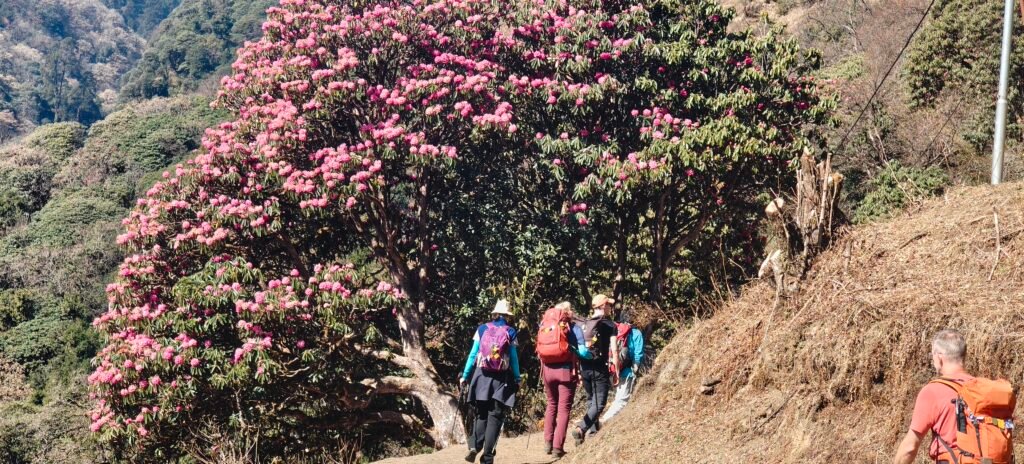
Trekking in Nepal means multi-day walking journeys through mountains, villages, forests, and high-altitude landscapes. It is not technical climbing in most cases. Instead, it is about walking from one village to another, staying in local tea houses or camps, and experiencing the Himalayas step by step.
What is trekking in Nepal?
A typical trek includes:
- Walking 4 to 8 hours a day
- Staying in mountain lodges (tea houses) or tents
- Eating simple local meals
- Crossing rivers, forests, passes, and traditional villages
- Gradual ascent to higher altitudes
Popular trekking regions include:
- Everest Region
- Annapurna Region
- Langtang Valley
- Manaslu Circuit
- Upper Mustang and remote restricted areas
Each region offers a different landscape and cultural experience.
How trekking in Nepal works
Trekking in Nepal is simple in structure but requires proper planning.
A standard trekking journey includes:
1. Permits and paperwork
Depending on the region, trekkers need permits such as:
- TIMS card (in some areas)
- National Park or Conservation Area permits
- Restricted area permits (for places like Manaslu, Upper Mustang, etc.)
We arrange all required permits in advance so you don’t need to worry about paperwork.
2. Guide and porter system
Most treks are supported by:
- A licensed trekking guide
- Optional porter to carry luggage
A guide ensures safety, navigation, communication, and cultural understanding. A porter helps you trek comfortably by carrying your main bag.
3. Accommodation and meals
Most routes use local tea houses. These are simple mountain lodges run by local families. Rooms are basic but clean, and food is freshly prepared.
4. Daily trekking rhythm
A typical day starts early:
- Breakfast at lodge
- Trek for several hours
- Lunch on the way
- Arrival at next stop in the afternoon
- Rest, dinner, and preparation for next day
How we organize a best trek in Nepal
At Hiking Friends Travel Nepal, we focus on three things: safety, comfort, and experience.
Here is how we make your trek smooth and memorable:
Proper planning before the trek
We design each itinerary based on:
- Fitness level
- Time availability
- Season and weather
- Trekking experience
We avoid rushed itineraries because good trekking needs proper acclimatization and pacing.
Experienced local team
Our guides are:
- Licensed and trained in high altitude safety
- Experienced in remote mountain routes
- Familiar with local culture and languages
They are not just guides, they are your support system in the mountains.
Safety-first approach
We always prioritize:
- Altitude awareness
- Emergency planning
- Weather monitoring
- Flexible itinerary changes if needed
Your safety always comes before the schedule.
Real local experience
We ensure trekkers experience:
- Local villages and culture
- Authentic Nepali food
- Traditional hospitality
- Hidden viewpoints and peaceful trails
What you should know before trekking in Nepal
Before you come for a trek, a few important things will help you prepare better:
1. Fitness matters, but you don’t need to be an athlete
Most treks are moderate. Regular walking, light cardio, or hiking practice before arrival is enough.
2. Altitude is real
Some treks go above 4,000–5,000 meters. You may feel altitude effects like headache or tiredness. Proper acclimatization days are important.
3. Weather changes quickly
Even in good seasons, mountain weather can change within hours. Always be prepared for sun, wind, or cold.
4. Pack light but smart
Essential items include:
- Good trekking boots
- Warm layers
- Rain jacket
- Sunscreen and sunglasses
- Personal medication
5. Respect local culture
Nepal is rich in traditions. Villages may be conservative and deeply spiritual. Respect goes a long way.
How to be a responsible and respected tourist in Nepal
Trekking is not only about seeing mountains. It is also about how we interact with them and the people who live there.
Here is how you can be a responsible traveler:
Respect local culture and people
- Greet locals with a smile or “Namaste”
- Ask before taking photos of people
- Dress modestly in villages and monasteries
Protect nature
- Do not litter on trails
- Avoid single-use plastics when possible
- Stay on marked paths
Support local economy
- Buy local products
- Eat in local tea houses
- Hire local guides and porters
Be mindful of resources
In remote areas:
- Water and electricity are limited
- Hot showers may not always be available
- Food is simple and locally sourced
Understanding this helps you appreciate the experience more.
Walk with humility
The Himalayas are powerful and sacred for many communities. Trekking here is a privilege, not just a holiday.
Trekking in Nepal is one of the most rewarding travel experiences in the world. It challenges you physically, opens your mind, and connects you deeply with nature and culture.
Final thoughts
At Hiking Friends Travel Nepal, our goal is simple: to make your journey safe, meaningful, and unforgettable while respecting the mountains and the people who call them home.
If you are planning your next adventure in Nepal, we are here to help you walk every step of the way.